


St. Jude Children's Research Hospital Empowering St. Jude Patients by Bridging the Gap Between Diagnosis and Understanding.
❋ Project ContextPatient education sits at the intersection of clinical accuracy, accessibility, and emotion. Families are often overwhelmed, reading on mobile, and navigating life‑changing diagnoses. At St. Jude Children’s Research Hospital- one of the leading pediatric cancer and catastrophic disease centers, materials must help children and families understand complex treatment plans in ways that are age‑appropriate, culturally sensitive, and usable under stress, often across multilingual and mixed print‑digital formats.
❋ My RoleI partner with care teams, health literacy specialists, and stakeholders to design patient education systems end‑to‑end: from initial content audits and hierarchy mapping through layout, illustration, and multi‑language adaptation. I focus on making information scannable, culturally sensitive, and easy to reuse across print, web, and presentation formats.
St. Jude Children's Research Hospital The Challenge
Most patient education starts as PDFs, dense web pages, or one‑off slides built quickly by clinicians. Information gets buried in long paragraphs, visuals aren’t optimized for comprehension, and important instructions or warnings are easy to miss—especially for children, multilingual families, or people new to the healthcare system.
The teams I work with need design that can respect clinical language but restructure it into clear hierarchies, visual cues, and multi‑format content that patients can navigate under stress. The challenge is turning “everything important” into a calm, guided experience instead of an overwhelming wall of text.
St. Jude Children's Research Hospital Deliverables
Printed and digital guides: Condition overviews, treatment explainers, and “what to expect” guides built for real reading behavior: short chunks, clear headings, iconography, and callouts that highlight steps and risks without panic.
Multilingual layouts: Side‑by‑side or layered designs that keep different languages visually balanced and easy to navigate. I plan hierarchy so families can find their language quickly and still follow the same visual structure and emphasis.
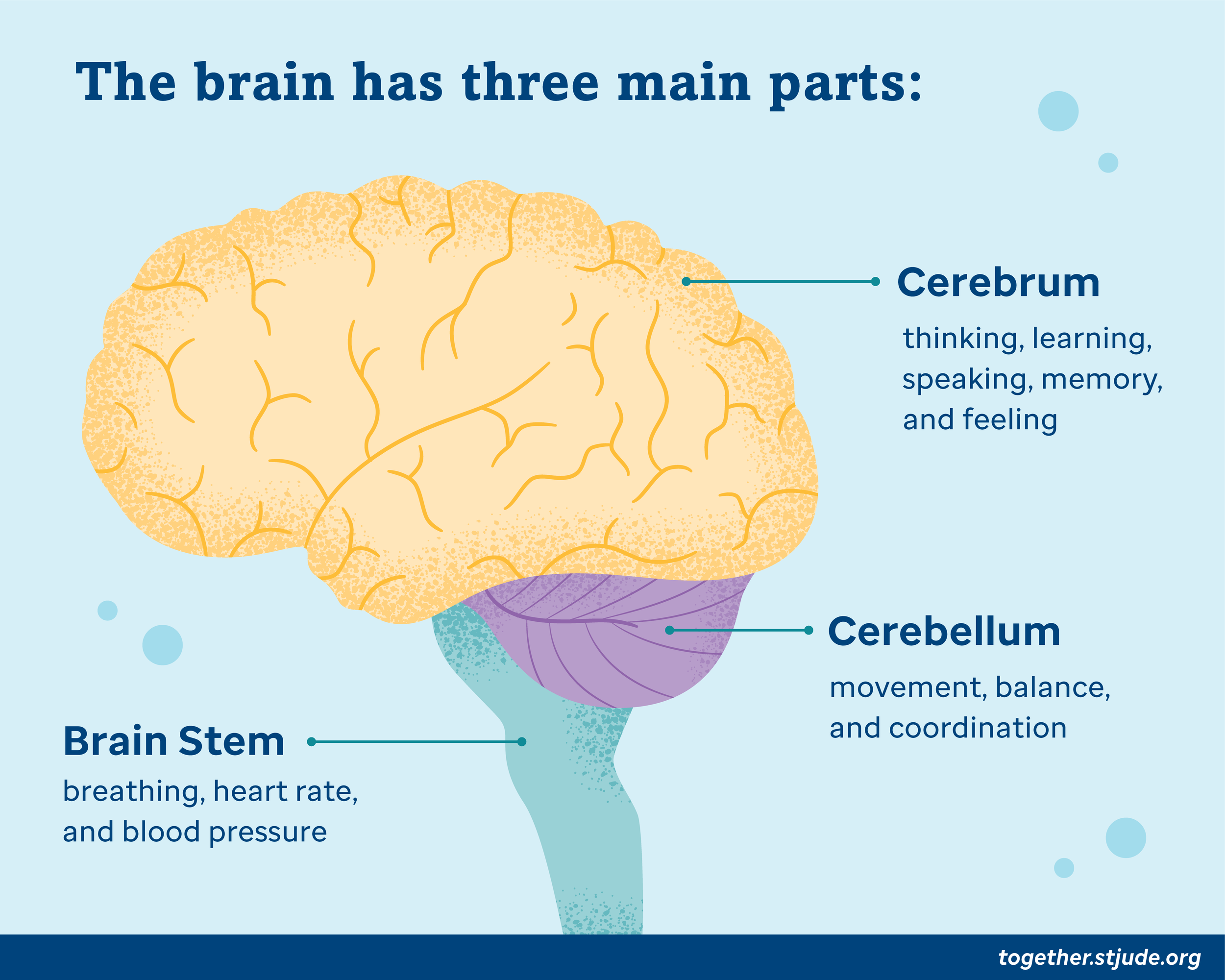
Infographics and data visuals: Charts, diagrams, and timelines that translate lab results, staging, or treatment pathways into visual stories. The goal is less “data” and more “what this means for you,” especially for children and caregivers
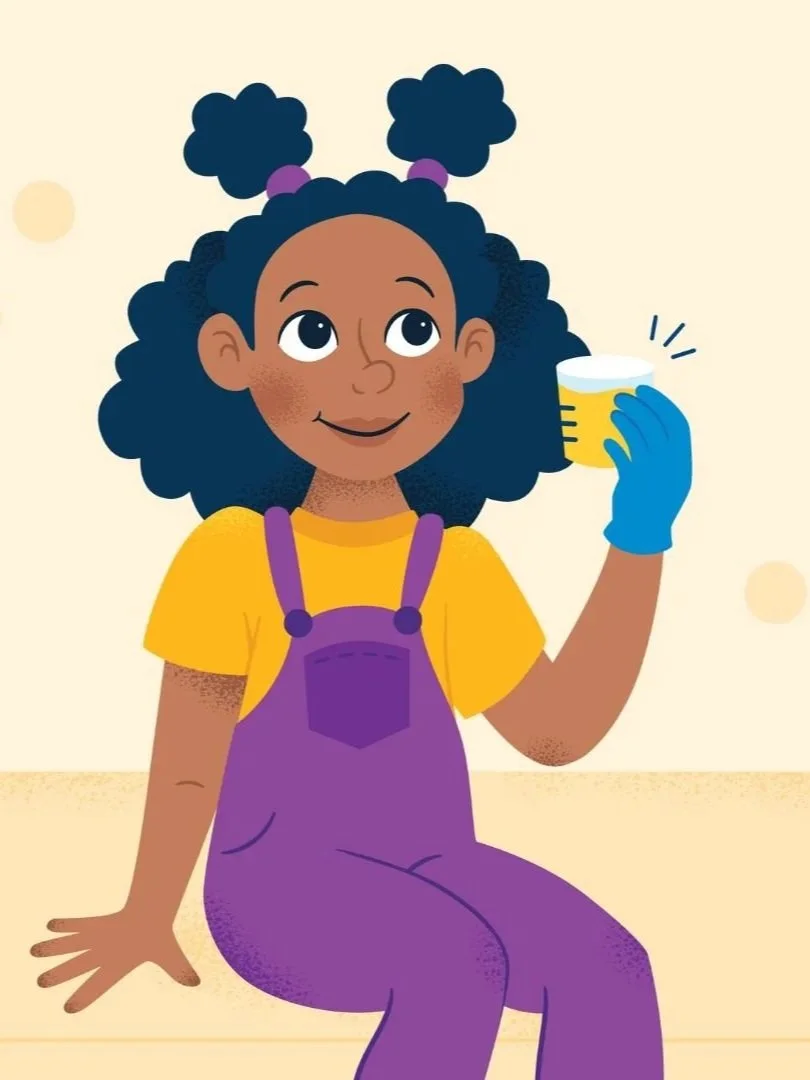
Pediatric-friendly materials: Kid‑friendly, parent‑aware layouts and illustrations that help children understand what will happen next: procedures, treatment steps, side effects—without minimizing the seriousness of their care
Presentation and training decks: Slide systems that clinicians and educators can use in classes, workshops, or family meetings. I turn text‑heavy content into visual narratives with clear pacing, hierarchy, and reusable templates.
Creating accessible patient education resources required deep research and close collaboration across clinical and education teams. I began by collecting data, clinical photographs, and research from scientists and providers to build a solid understanding of each topic. Then I partnered with patient education writers to translate technical information into content that meets strict health literacy guidelines. Visual concept drafts were reviewed by subject matter experts to confirm medical accuracy before I adapted the materials into multilingual, age‑appropriate formats for St. Jude’s global platforms.